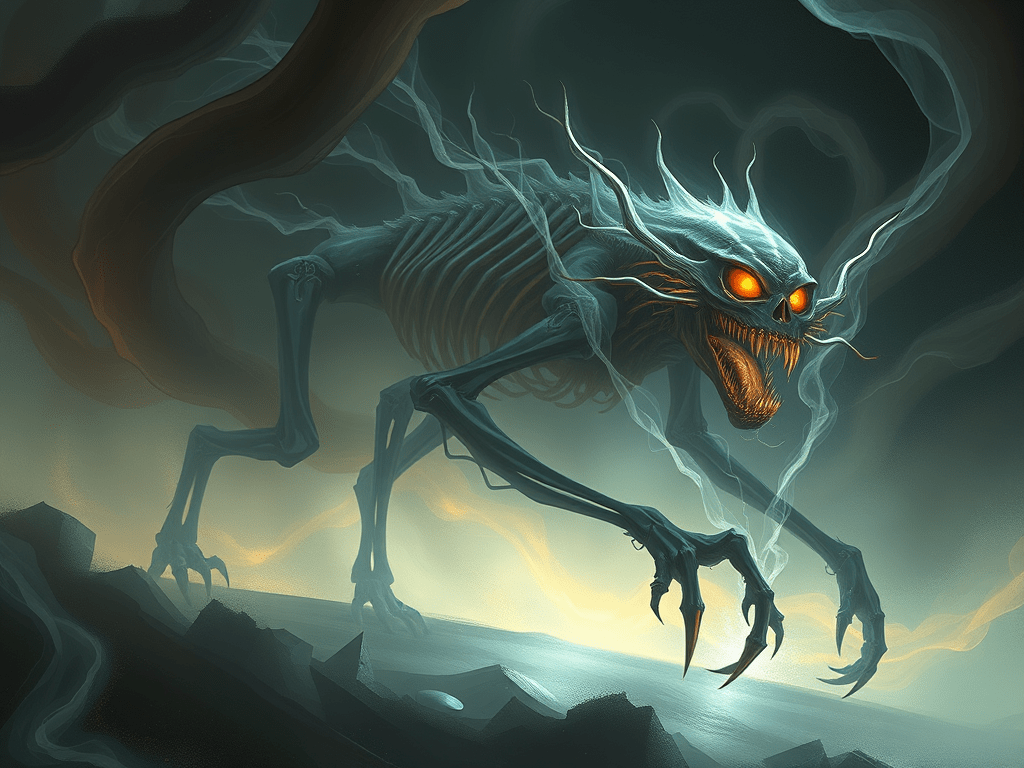
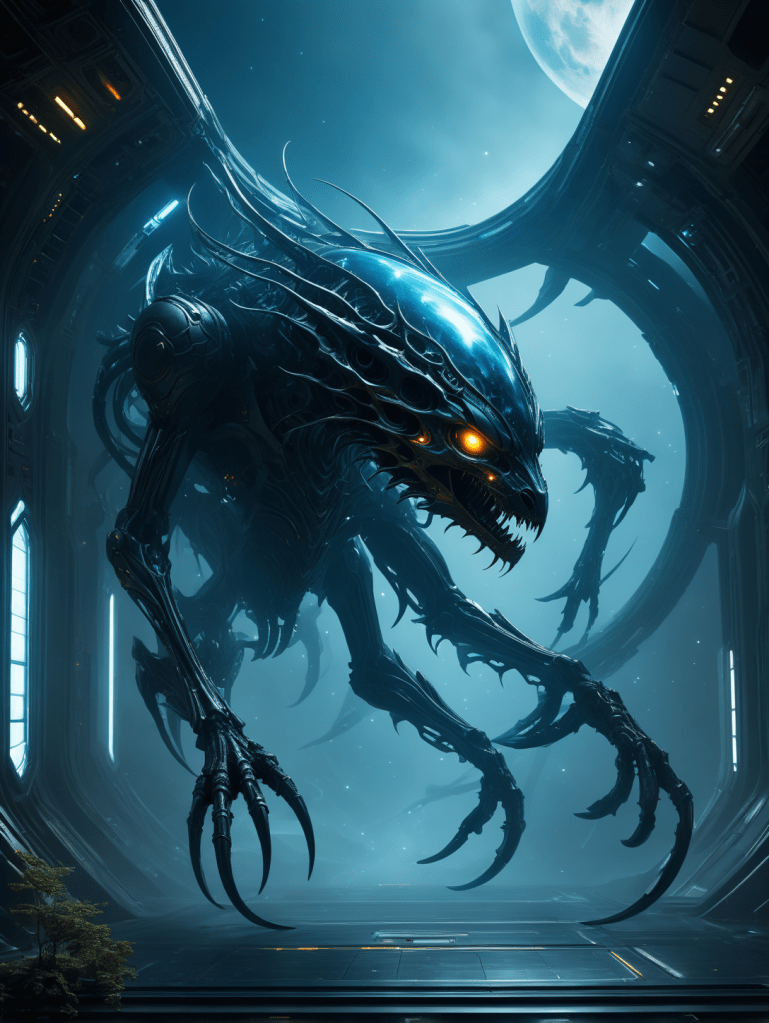
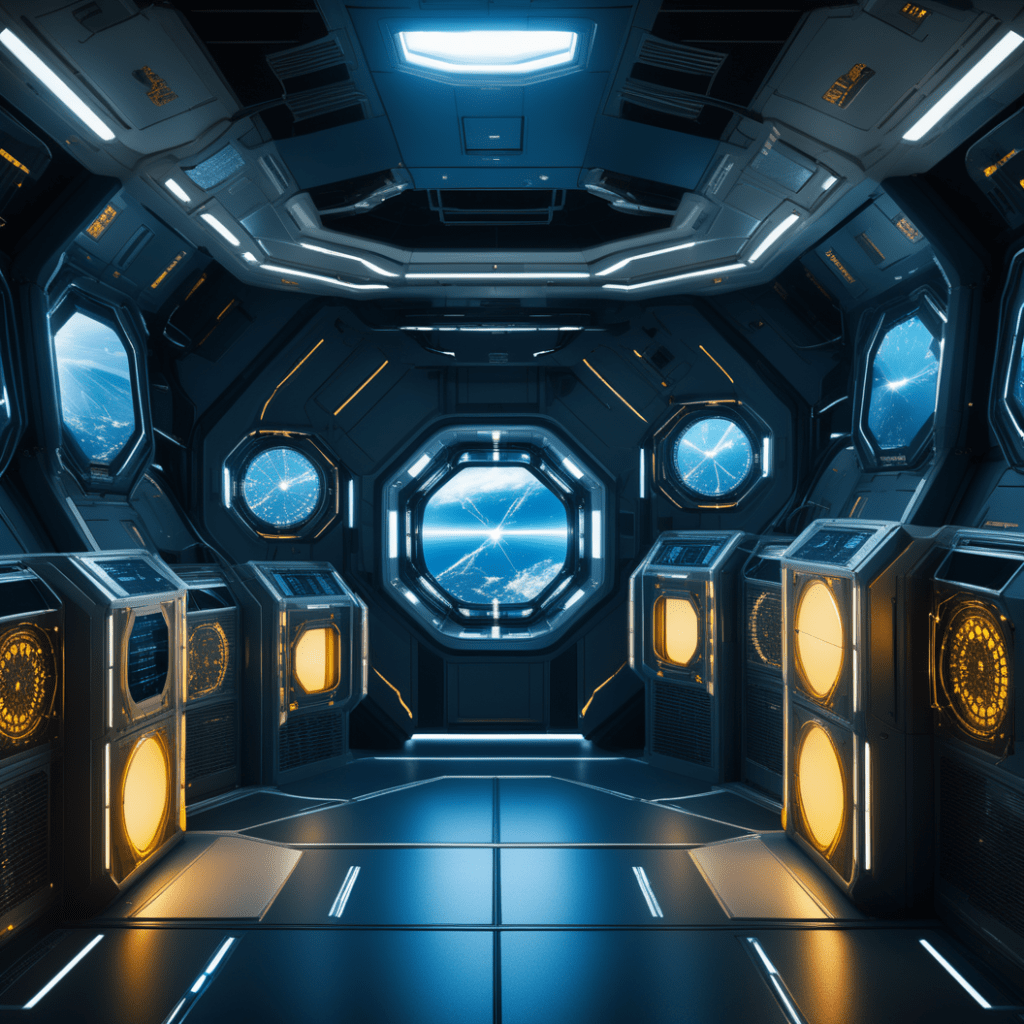
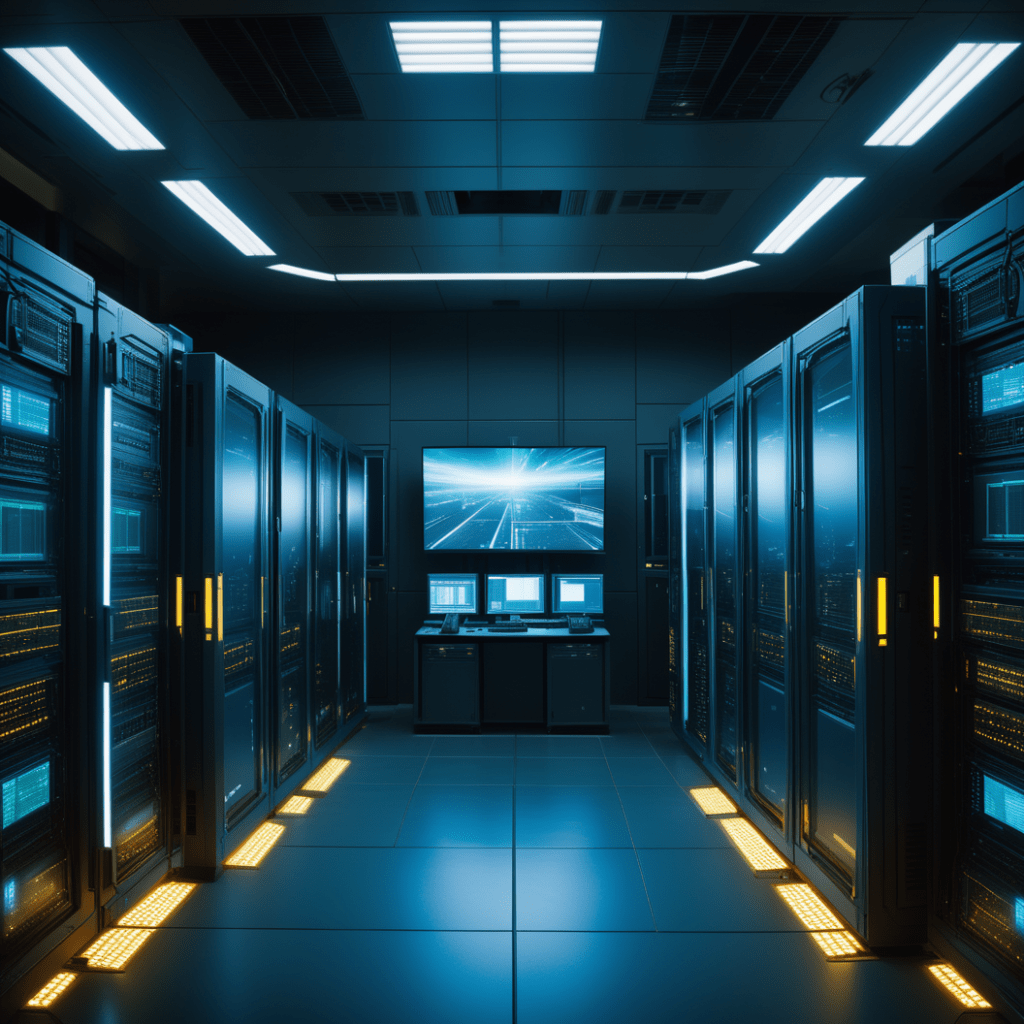
Hey There! Today I’m introducing some more elements on my ongoing Inform 7 project I’m working on. In the slideshow below, I’ve introduced the “Etheric Creature”….. As well as a handful of main areas in Outpost 157.
I must say, I really do like how the image of the Etheric Creature came out. It took a little bit to get the right image. The inception of the creature actually came out of one of my own profound experiences. Where I watched another version of myself working on a project using genetics to create such a entity.
Naturally it didn’t turn out too well for them too well , and all of those involved. But it makes a great concept for creative writing. I will be sharing other locations and elements soon!
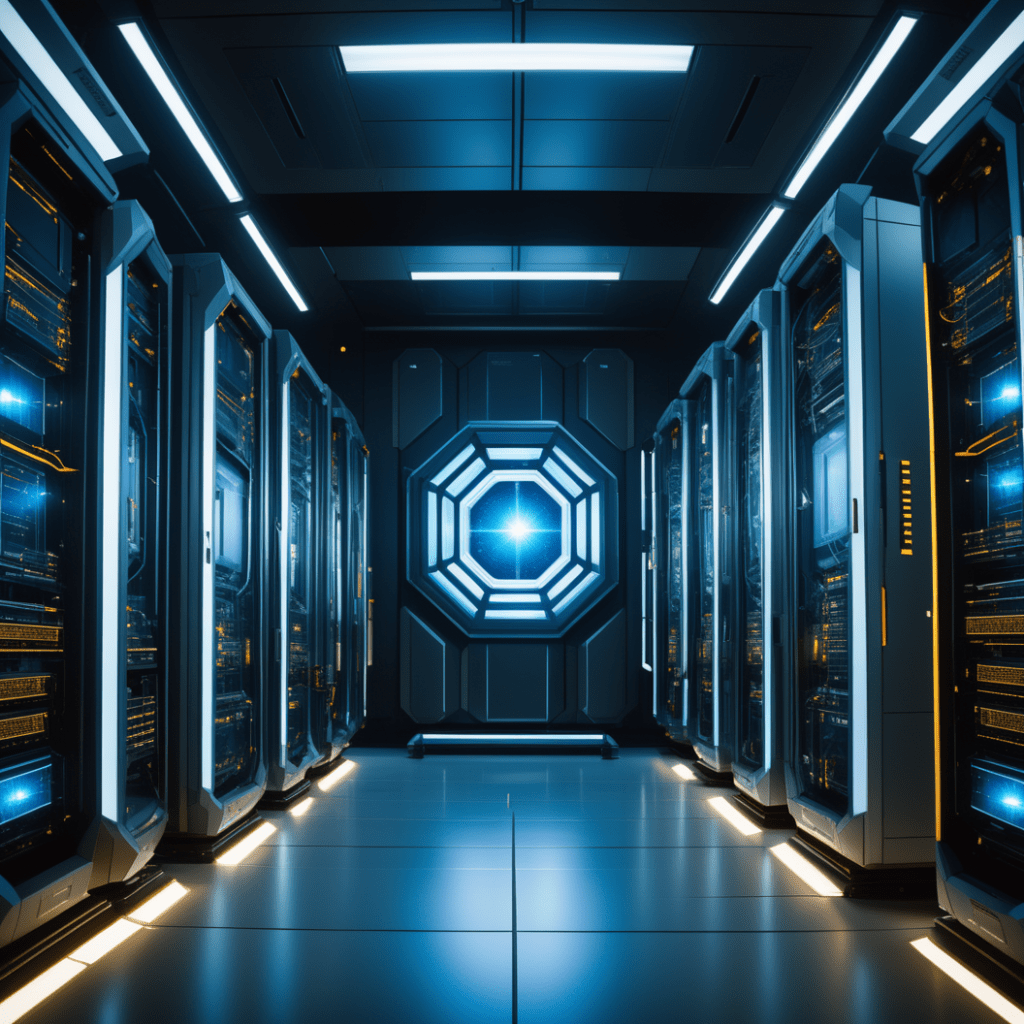
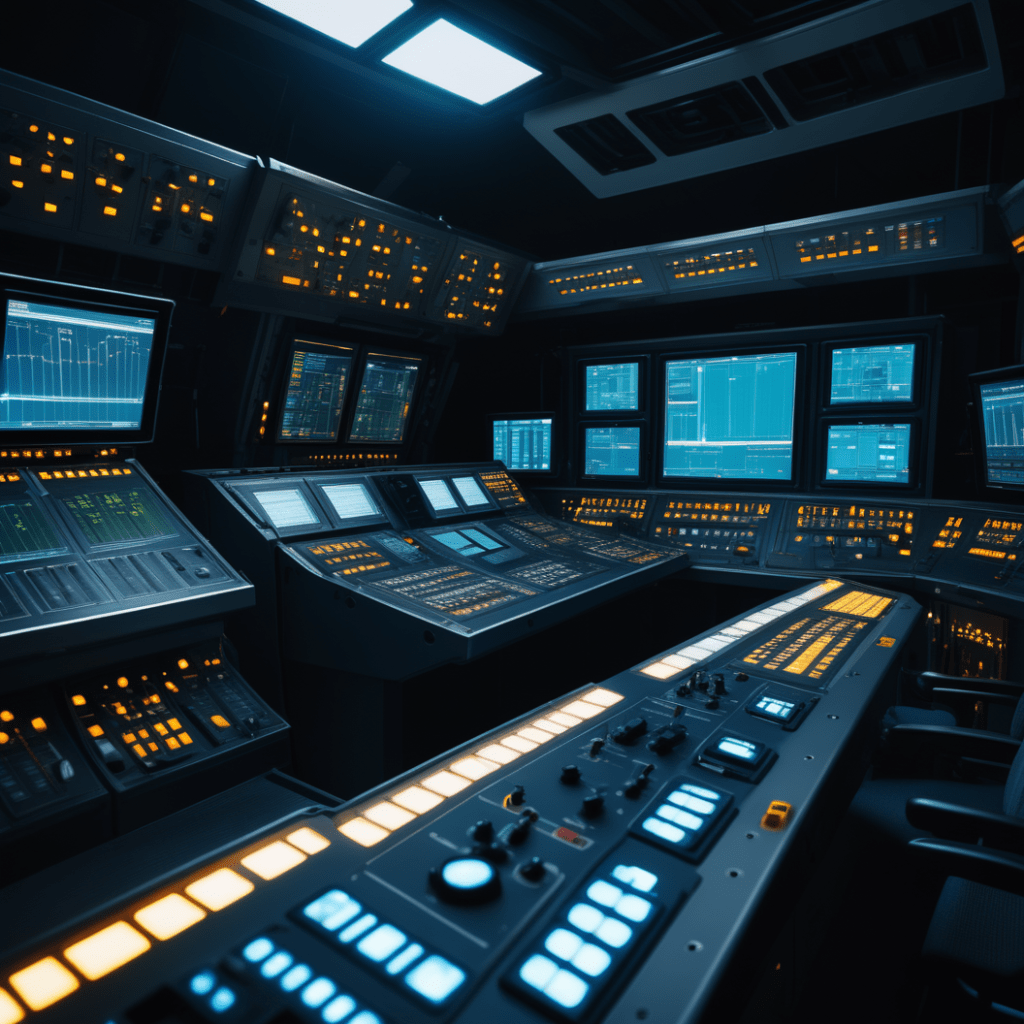
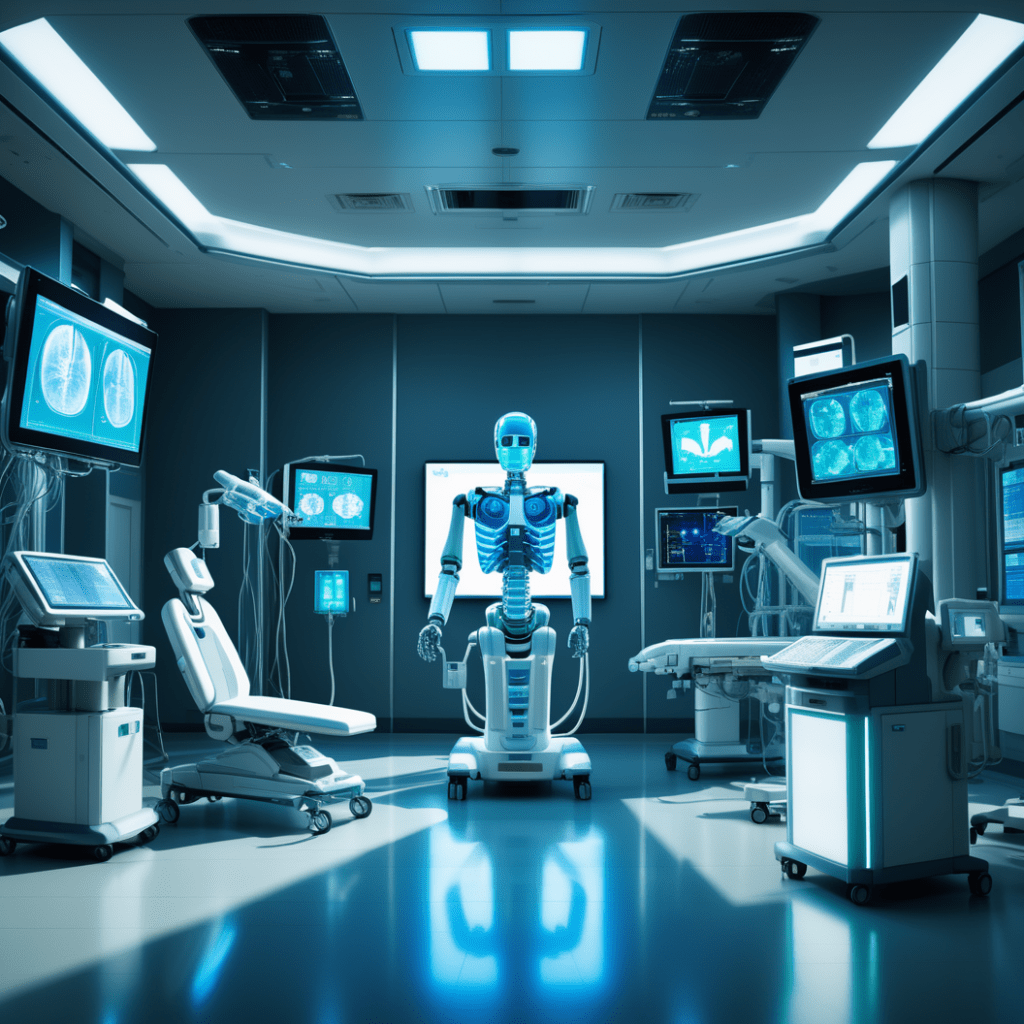
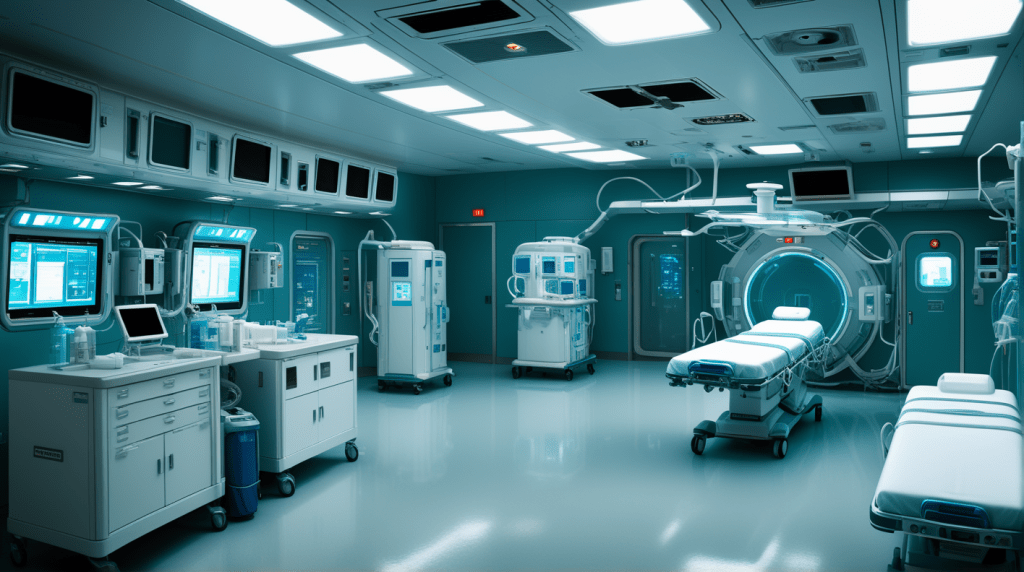
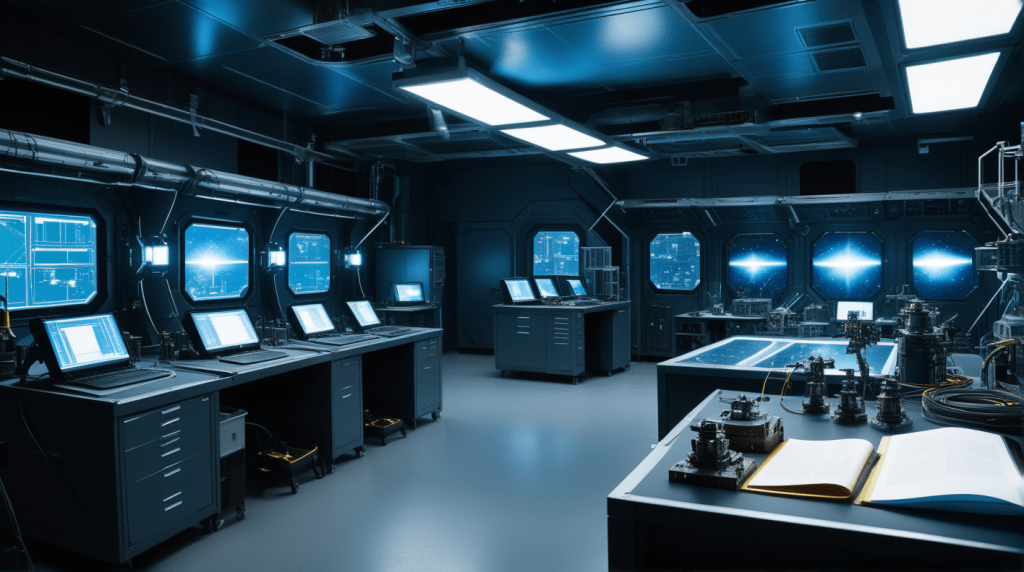
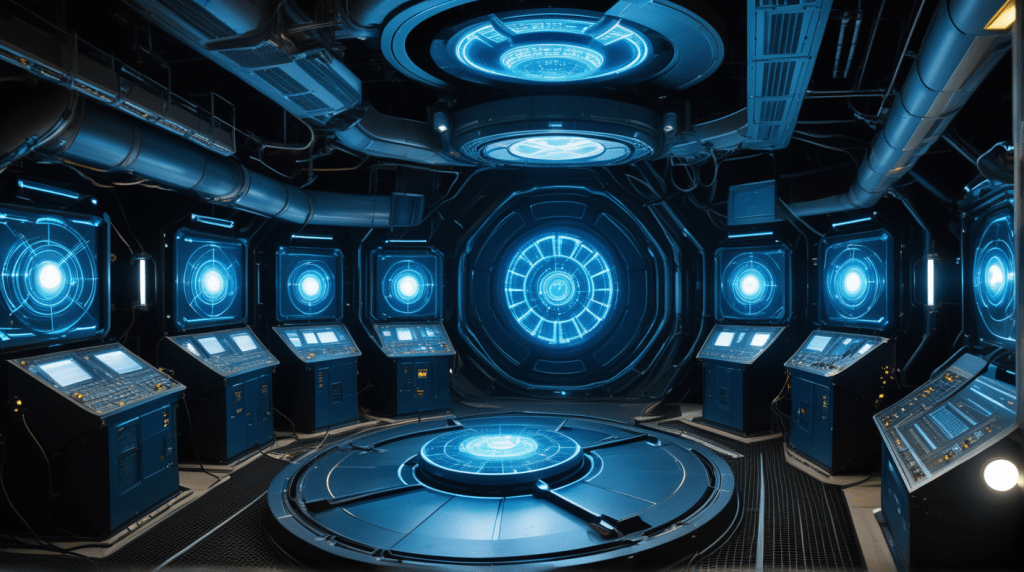
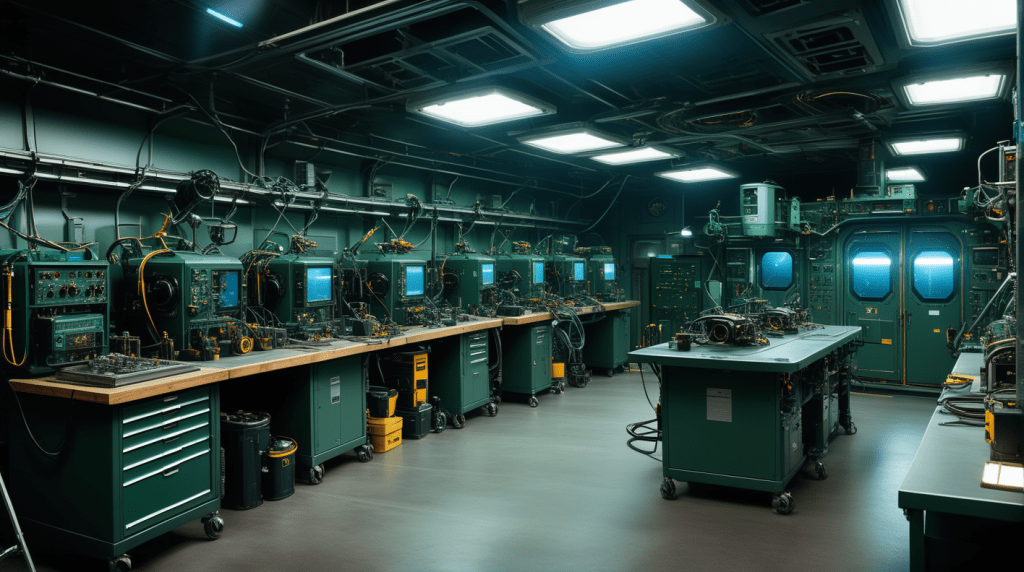
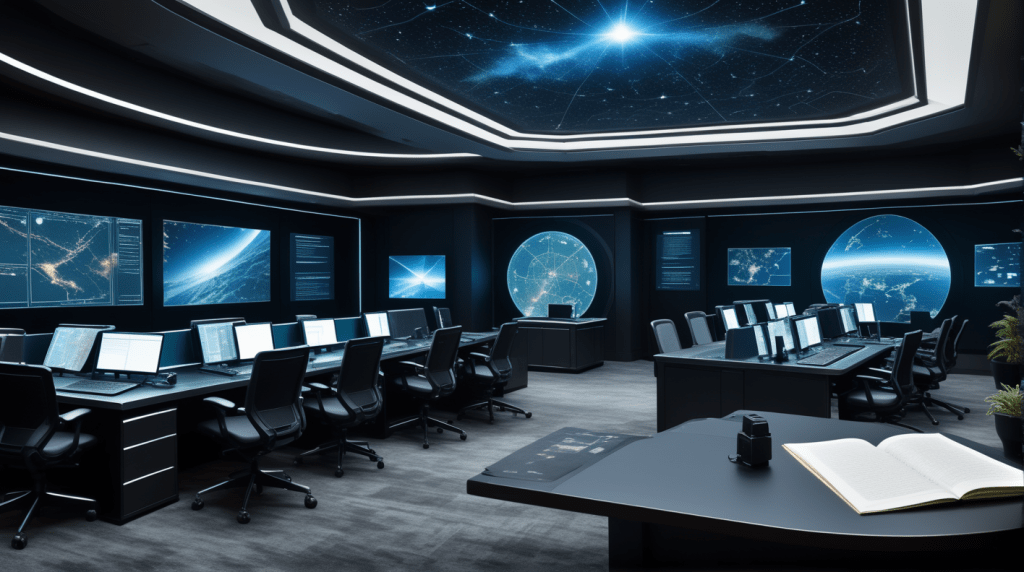
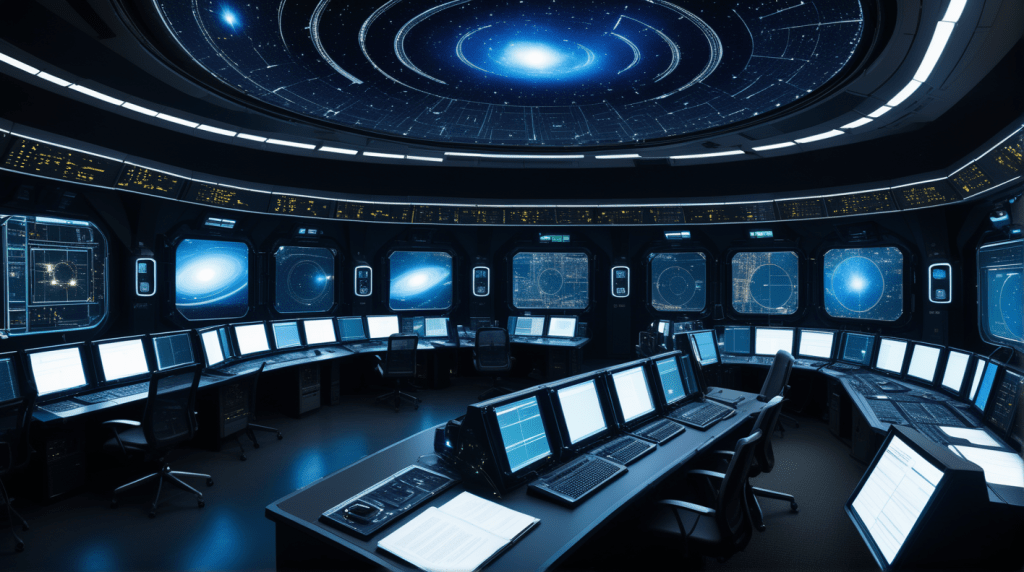
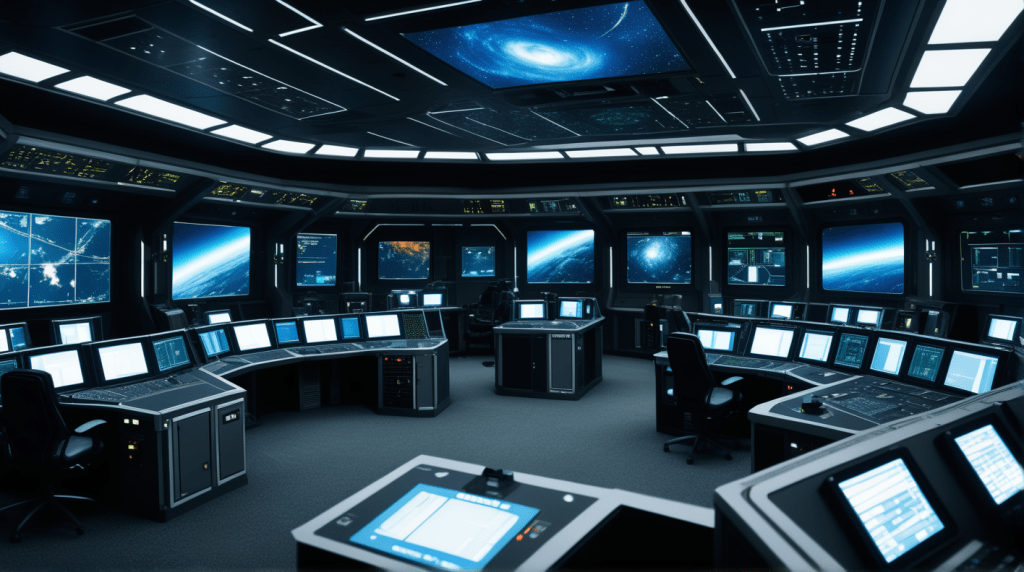
Shifting like a living phantom, the enteric creature prowls the void between dimensions, its form twisting between solidity and shadow. It drops onto all fours, a blur of flickering motion, claws curling into the unseen fabric of reality itself. Its elongated limbs ripple as it moves, skeletal yet unnervingly fluid, stretching across space in unnatural strides. Hollow eyes burn with spectral hunger, tracking prey across planes of existence. Its whispering breath chills the air as it phases—first distant, then impossibly close. When it strikes, its claws pass through flesh, dragging victims partway into the void before wrenching them back—changed.Power Management System is A highly sophisticated system responsible for regulating energy distribution across the station. It monitors power flow, prevents overloads, and ensures stability in critical subsystems. Damage to this unit could result in cascading failures throughout the station. Security Mainframe is A central computer system that controls the station’s security measures and surveillance systems.The Research Mainframe is A high-tech station used for conducting scientific research and experiments.The Engineering Console is A control console used for monitoring and maintaining the station’s various systems and machinery.The Medical AI System is An advanced system equipped with various medical tools and devices for treating injuries and health issues.The Emergency Room is A stark contrast to the rest of the station, the Emergency Room is bathed in sterile white light, its walls lined with medical equipment in various states of use. A reinforced auto-doc pod hums softly in the corner, waiting for its next patient. Cabinets stocked with medical supplies stand along the far wall, though some appear to have been hastily rummaged through. The scent of disinfectant lingers in the air, masking the underlying tension of past emergencies. A central diagnostic console flickers, its interface detailing patient statuses and system integrity warnings.The Fabrication Lab hums with quiet efficiency, its reinforced walls lined with precision machinery designed for rapid prototyping and emergency repairs. Overhead, adjustable plasma lamps cast a stark glow onto modular workstations where engineers and technicians refine crucial components for the war effort. Automated fabricators whir softly, their robotic arms assembling weapon modifications, armor reinforcements, and vital station upgrades. Along one wall, a holographic blueprint projector flickers, displaying schematics for experimental technology still under development. Scattered across metal tables, half-formed prototypes and discarded alloy scraps hint at the relentless pace of innovation required to survive the Orion-Lyra war. A sealed compartment in the far corner houses restricted materials—unstable compounds and classified prototype designs accessible only to high-ranking officers. Amid the controlled chaos, the scent of burned circuitry and synthetic oils lingers, a testament to the lab’s role in shaping the future of combat in deep space. The hum of raw energy reverberates through the Power Core chamber, each pulse syncing with the rhythmic flicker of containment field stabilizers. Thick conduits snake across the floor and ceiling, channeling immense power to every corner of the station. In the center, the reactor itself—a swirling vortex of plasma encased in a reinforced energy field—radiates with an eerie blue glow. Monitors surrounding the core display real-time power fluctuations, warning of potential overloads. A security terminal stands nearby, allowing authorized personnel to adjust energy output and reroute emergency backups. The air carries a faint metallic tang, charged with static from the immense forces at work. Every piece of equipment here is vital—one failure, and the entire station could plunge into darkness. In the Maintenance Bay the scent of machine oil and scorched circuitry lingers in the air, a testament to the relentless upkeep required to keep the station operational. Tool racks line the walls, stocked with precision instruments, welding torches, and diagnostic scanners. Suspended from the ceiling, reinforced work lights cast an unwavering glow over disassembled machinery and half-repaired drones resting on workbenches. A central fabrication unit hums softly, capable of crafting replacement parts for failing systems. The worn metal plating beneath your feet is scarred from years of impromptu repairs, marked by scorch marks from plasma cutters and the occasional evidence of hurried patchwork. Here, ingenuity meets necessity as engineers push the limits of what can be fixed—and what must be improvised. The Strategic Planning Room there is a dim glow emanates from holographic display tables, where detailed star maps and tactical overlays shimmer in real time. High-backed chairs encircle a central console, each workstation equipped with encrypted communication links and mission briefing interfaces. The walls are lined with archival screens, displaying past operational successes and ongoing directives. Overhead, recessed lighting casts an ambient, cerebral hue, fostering intense focus amid the quiet murmur of calculations and whispered planning . The faint scent of ink and aged paper lingers—relics of traditional mapping methods still used for reference. Every decision made here shapes the fate of the outpost, guiding its course through the unknown. The Communications Hub is a symphony of blinking lights and quiet hums fills the Communications Hub, the nerve center for all transmissions in and out of the station. Rows of terminals display encrypted messages, deep-space telemetry, and incoming distress signals from the void beyond. A massive relay dish dominates one wall, its surface scarred from micrometeorite impacts, tirelessly scanning for signals. The air is thick with the scent of warm circuitry and static electricity, and the occasional burst of garbled chatter crackles through the speakers. Here, messages are sent, secrets are intercepted, and the station’s connection to the universe is maintained. The heart of the outpost, the Main Control Room hums with the quiet intensity of countless systems running in perfect synchronization. Banks of monitors flicker with real-time data—life support levels, docking procedures, and deep-space communications. A reinforced observation window offers a view of the vast emptiness beyond, while emergency override panels glow faintly, ready for action. The air carries a sterile scent of electronics and recycled oxygen, punctuated by the occasional crackle of incoming transmissions. This is where decisions are made, crises are averted, and the station’s fate is carefully monitored.


 Celestial Fire
Leave a comment